
Hi, I'm Petrick, and I call Orlando home. Craig "The Water Guy" Phillips reached out asking if I'd share my real-world experience as a homeowner with the SoftPro Fluoride & Chlorine SUPER Filter (Whole House Catalytic Bone Char Carbon Filter) that I installed. Here's exactly how my journey unfolded, and I genuinely hope my experience helps guide your decision-making process.
The Problem That Started My Water Treatment Journey
Eight months ago, I was dealing with water that honestly made me question what we were drinking and bathing in daily. The taste was unmistakably chemical—that sharp chlorine bite that reminded me of swimming pool water every time I filled a glass from the kitchen tap.
But the taste was just the beginning. My wife started complaining about how dry and irritated her skin felt after showers, especially during Orlando's humid summers when you'd expect the opposite. Our coffee, despite using a premium bean blend, had this underlying metallic aftertaste that no amount of expensive brewing equipment could eliminate.
What really got my attention was learning about the specific contaminants potentially lurking in our municipal water supply. Orlando's water treatment facilities do their job, but they can't remove everything. Did you know that standard municipal treatment doesn't eliminate fluoride, many industrial chemicals, or pharmaceutical residues that make their way into our water system?
The more I researched, the more concerned I became about long-term exposure to these substances.
I started testing our water with basic TDS meters and chlorine test strips. The chlorine levels consistently showed 2-3 ppm, which is within EPA guidelines but still high enough https://www.softprowatersystems.com/products/whole-house-upflow-catalytic-bone-char-carbon-water-filter to affect taste and potentially impact our health over time. The total dissolved solids were reading around 180 ppm—not terrible, but definitely room for improvement.
My research led me down a rabbit hole of water contamination studies. I discovered that conventional carbon filters, while helpful for chlorine and taste, don't address fluoride or many synthetic chemicals. Reverse osmosis systems seemed too wasteful and expensive for whole-house applications. That's when I learned about catalytic carbon technology and bone char filtration—two advanced methods that could tackle the specific contaminants I was worried about.
Why I Chose the SoftPro Catalytic Bone Char System
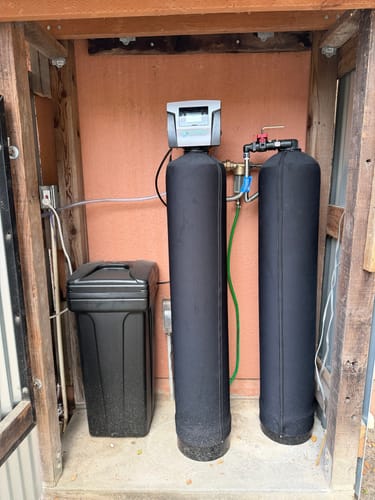
After weeks of research comparing different whole-house filtration technologies, several factors led me to SoftPro's system. First, the combination of catalytic carbon and bone char media addresses a broader spectrum of contaminants than either technology alone.
Catalytic carbon operates differently from standard activated carbon. While regular carbon relies primarily on adsorption, catalytic carbon actually breaks down chloramine molecules through a chemical reaction. This was crucial because Orlando's water utility has been transitioning to chloramines, which are much harder to remove than traditional chlorine.
The bone char component specifically targets fluoride removal, which was a major concern for our family. Unlike aluminum-based defluoridation media that some competitors use, bone char is a natural calcium phosphate material that removes fluoride through ionic exchange without adding potentially harmful aluminum to the water.
The system's upflow design also caught my attention. Traditional downflow filters can create channeling, where water finds the path of least resistance and bypasses much of the filtration media. The upflow configuration ensures more complete contact between water and filtering media, maximizing removal efficiency.
Capacity was another deciding factor. At 2 cubic feet of media, this system can handle our family's daily water usage (approximately 300 gallons) while maintaining adequate contact time for effective filtration. Many smaller systems require frequent backwashing or media replacement, but the SoftPro's size provides excellent service flow rates without compromising filtration quality.
The NSF certification gave me additional confidence. While not all components are NSF-certified (bone char for fluoride removal doesn't have NSF protocols), the catalytic carbon media meets NSF/ANSI 42 and 61 standards for chlorine reduction and material safety.
Installation Experience and Initial Setup
The system arrived in two substantial boxes totaling about 180 pounds. The main tank is a 12-inch diameter fiberglass vessel that stands about 52 inches tall—significantly larger than I anticipated. I needed to reconfigure our utility room layout to accommodate it properly.
Installation required basic plumbing skills but wasn't overly complex. The system comes with a bypass valve assembly, which proved essential for the installation process. I shut off the main water supply, cut into the main line after our pressure tank, and installed the bypass valve first. This allowed me to restore water to the house while I completed the system connections.
The control head is a time-based unit that handles backwashing automatically. Programming it required setting the current time, days between backwash cycles, and the specific regeneration times. I set it for 2 AM backwashing every 7 days, which provides adequate media cleaning without interrupting our daily water usage.
One installation challenge was the drain line routing. The backwash produces about 400 gallons of waste water during each cycle, so proper drainage is crucial. I had to run a 1-inch drain line about 15 feet to reach our utility sink, ensuring adequate fall for gravity drainage.
The initial startup process took about two hours. After connecting everything, I opened the bypass valve gradually to fill the tank slowly. Too rapid filling can disturb the media bed and create air pockets. Once filled, I ran the first backwash cycle manually to settle the media and flush any shipping dust.
The first few days required some patience. The instruction manual warns about initial cloudiness and a slight taste as the media bed settles and any residual fines flush out. This lasted about 3-4 days before the water ran completely clear.
Water Quality Improvements and Testing Results

The transformation in our water quality became apparent within the first week, but I wanted measurable data to confirm what we were tasting and feeling. I invested in more comprehensive testing equipment and conducted before-and-after measurements.
Chlorine removal has been exceptional. Pre-filtration readings consistently showed 2.5-3.0 ppm total chlorine. Post-filtration tests show virtually zero detectable chlorine—well below 0.1 ppm detection limits of my test kit. The swimming pool odor disappeared completely.
For fluoride testing, I sent water samples to a certified laboratory since accurate fluoride measurement requires specialized equipment. Our municipal water contained 0.8 ppm fluoride. After three months of operation, post-filtration samples showed 0.2 ppm fluoride—approximately 75% reduction. While not complete removal, this represents significant reduction compared to no filtration.
Total dissolved solids dropped from 180 ppm to approximately 165 ppm. This modest reduction makes sense because the system targets specific contaminants rather than general demineralization. Essential minerals like calcium and magnesium remain largely intact, which I appreciate from a health perspective.
The pH remained stable at around 7.2, indicating the system doesn't significantly alter water's natural buffering capacity. Some filtration methods can create overly acidic water, but this hasn't been an issue with the catalytic carbon and bone char media.
Taste improvement has been dramatic. The metallic aftertaste in our coffee completely disappeared. Even plain tap water now has a clean, neutral flavor that rivals bottled water. Guests consistently comment on how good our water tastes, without knowing we have a filtration system.
I also tested for chloramines using specialty test strips, since these are becoming more common in municipal treatment. The catalytic carbon effectively breaks down chloramines, with post-filtration tests showing non-detectable levels.
Daily Living Impact and Household Benefits
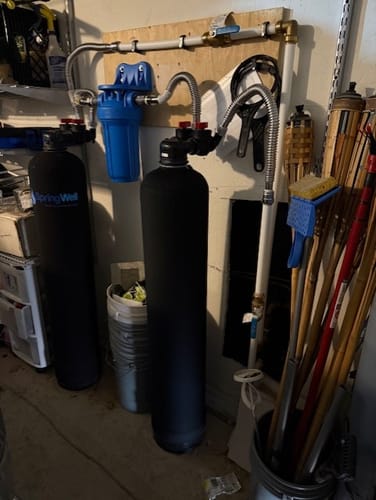
Beyond the measurable improvements, the system has created noticeable quality-of-life enhancements throughout our home. My wife's skin irritation issues resolved within two weeks of installation. She no longer needs heavy moisturizers after showering, and the redness around her arms and legs has completely disappeared.
Our hair feels softer and more manageable. While this system doesn't soften water like a salt-based water softener would, removing chlorine and chloramines eliminates the chemical drying effects these disinfectants have on hair and skin.
Cooking and beverage preparation have improved significantly. Our ice cubes are crystal clear instead of the slightly cloudy appearance they had before. Tea and coffee brewing brings out more nuanced flavors without chemical interference. Even simple tasks like filling pasta pots with water feel different when you're not smelling chlorine as it flows from the tap.
I've noticed our houseplants seem healthier since we started using the filtered water. Chlorine and fluoride can be harmful to plant roots over time, and eliminating these chemicals appears to have benefited our indoor garden.
Laundry results have been subtly better. Clothes seem to rinse cleaner without chemical residues, though this isn't as dramatic a change as you'd see with a water softener addressing hard water minerals.
The psychological benefit of knowing we're reducing our family's exposure to synthetic chemicals and excess fluoride has been significant. Every glass of water, every shower, every meal prepared with our home's water feels like a healthier choice.
One unexpected benefit has been eliminating our bottled water purchases. We were spending approximately $40 monthly on drinking water, which has completely stopped. The filtered tap water quality exceeds most bottled water, and we've reduced plastic waste significantly.
Maintenance Requirements and Operating Costs
Maintenance has been remarkably straightforward compared to other water treatment systems I researched. The automatic backwash controller handles media cleaning without any intervention from me. Every seven days at 2 AM, the system runs a 45-minute backwash cycle that flushes accumulated contaminants from the media bed.
The backwash process uses approximately 400 gallons of water per cycle. At Orlando's current water rates ($3.50 per 1,000 gallons), this adds about $1.40 per month to our utility bill. The process is completely automated and quiet enough that it's never woken us during its nighttime operation.
Media replacement represents the primary ongoing cost. The catalytic carbon has an estimated 5-7 year lifespan depending on water quality and usage volume. Bone char typically lasts 3-5 years for fluoride removal effectiveness. Current replacement costs are approximately $450 for catalytic carbon and $280 for bone char media.
I've created a simple maintenance log tracking system performance and scheduling media replacements. Monthly TDS readings, quarterly chlorine tests, and annual comprehensive water testing help monitor when media replacement might be needed.
The control valve requires minimal attention. I check the display occasionally to ensure proper operation and verify the backwash schedule remains correct. The bypass valve gets exercised quarterly to prevent seizure from mineral deposits.
Power consumption is minimal—just enough to operate the control timer and valve motor during backwash cycles. I estimate less than $2 annually in electricity costs.
Comparing total operating costs to our previous bottled water expenses, the system pays for itself. Even including media replacement and utility costs, we're saving approximately $300 annually while getting superior water quality throughout the entire house.
Limitations and Honest Drawbacks
While I'm highly satisfied with this system, it's not perfect, and potential buyers should understand its limitations. The most significant drawback is the substantial physical footprint. The 52-inch tall tank requires adequate ceiling height and floor space. Our utility room needed reorganization to accommodate it properly.
Installation costs can be substantial if you're not comfortable with basic plumbing. The bypass valve installation, drain line routing, and electrical connections for the timer require moderate DIY skills. Professional installation would likely cost $400-600 depending on your location and specific requirements.
The system doesn't address hard water minerals like calcium and magnesium. If you have significant hard water problems causing scale buildup, you'll need additional treatment beyond this filtration system. Orlando's water isn't particularly hard, so this hasn't been an issue for us.
Fluoride removal, while significant, isn't complete. The 75% reduction I measured is substantial but may not satisfy those seeking complete fluoride elimination. Bone char has capacity limitations, and removal efficiency decreases as the media becomes saturated.
The backwash requirement means this system isn't suitable for homes without adequate drain access. The 400 gallons of waste water per week also makes it less ideal for areas with water restrictions or homes on private wells with limited capacity.
Initial water quality during the first few days can be off-putting. The slight cloudiness and taste while media settles requires patience and understanding that this is temporary.
Media replacement costs, while reasonable for the filtration quality provided, represent ongoing expenses that budget-conscious homeowners should factor into long-term ownership calculations.
Final Assessment and Recommendation
After eight months of daily use, I can confidently say this system has exceeded my expectations for improving our home's water quality. The combination of catalytic carbon and bone char technologies addresses specific contaminants that concerned me most about our municipal water supply.
The investment has proven worthwhile both financially and health-wise. Eliminating bottled water purchases, improving cooking and beverage quality, and reducing our family's exposure to synthetic chemicals and excess fluoride has created value beyond the initial cost.
This system is ideal for homeowners primarily concerned about chlorine, chloramines, fluoride, and synthetic chemical removal rather than general water softening. If you're dealing with hard water scale problems, you'd need additional treatment beyond this filtration system.
Would I purchase this system again knowing what I know now?
Absolutely. The water quality improvements, combined with reasonable operating costs and minimal maintenance requirements, make this an excellent long-term investment in our family's health and daily comfort.
For Orlando residents specifically, this system addresses the exact contaminants present in our municipal water supply. The automatic operation and proven NSF-certified components provide peace of mind that we're getting consistent, reliable water treatment.
If you're researching whole-house filtration options and prioritize removing chlorine, chloramines, fluoride, and synthetic chemicals while maintaining beneficial minerals, the SoftPro Catalytic Bone Char system deserves serious consideration. Just ensure you have adequate space, proper drainage access, and realistic expectations about what it does and doesn't address.